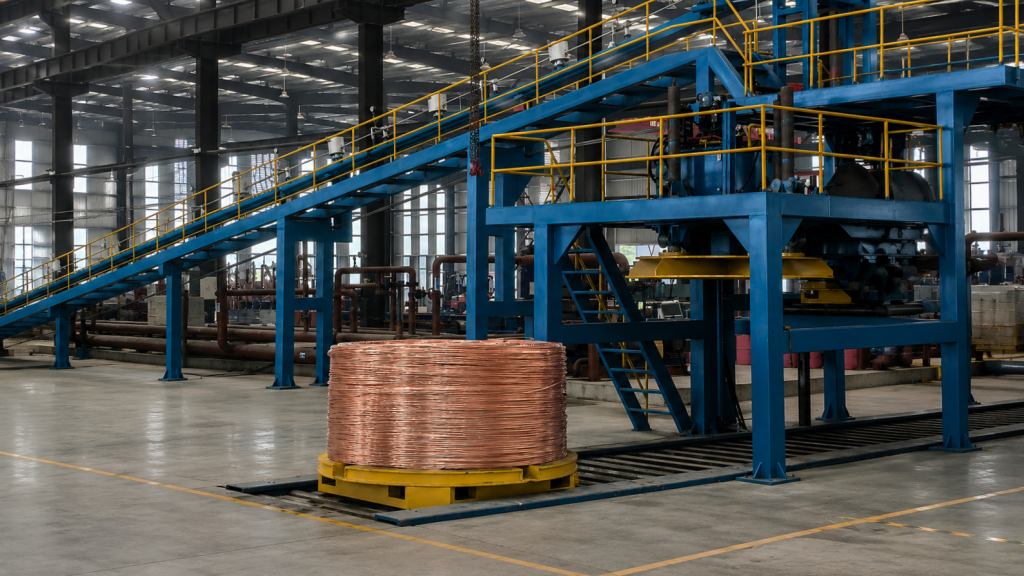
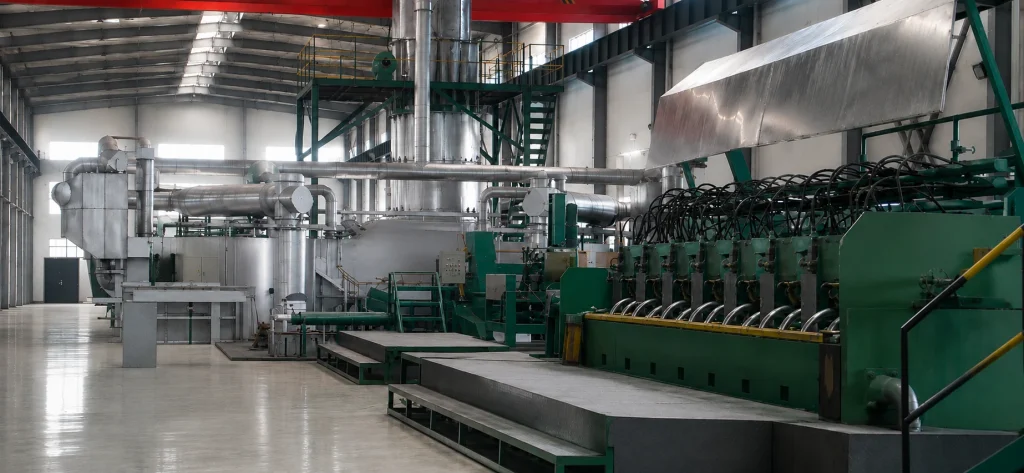
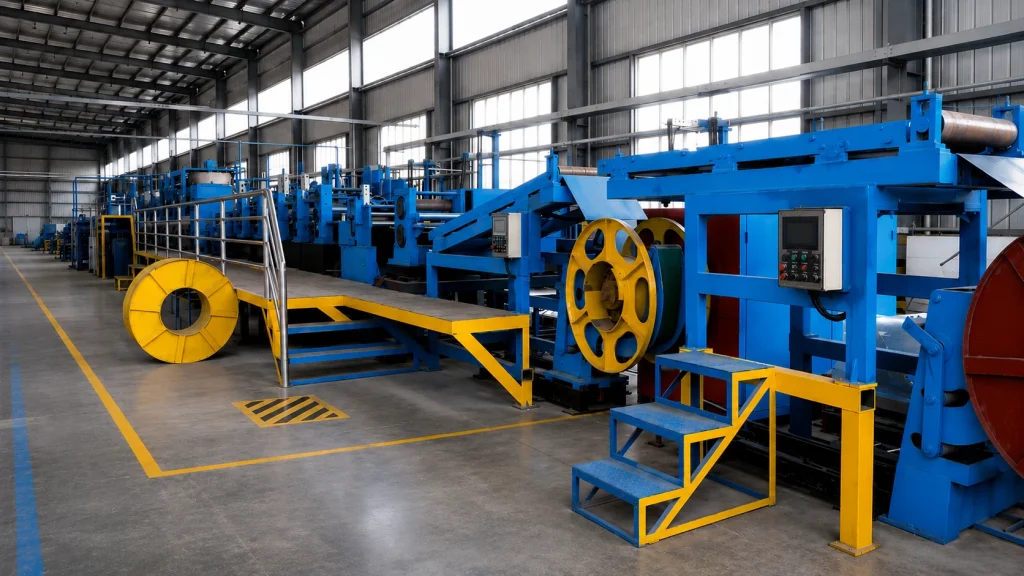
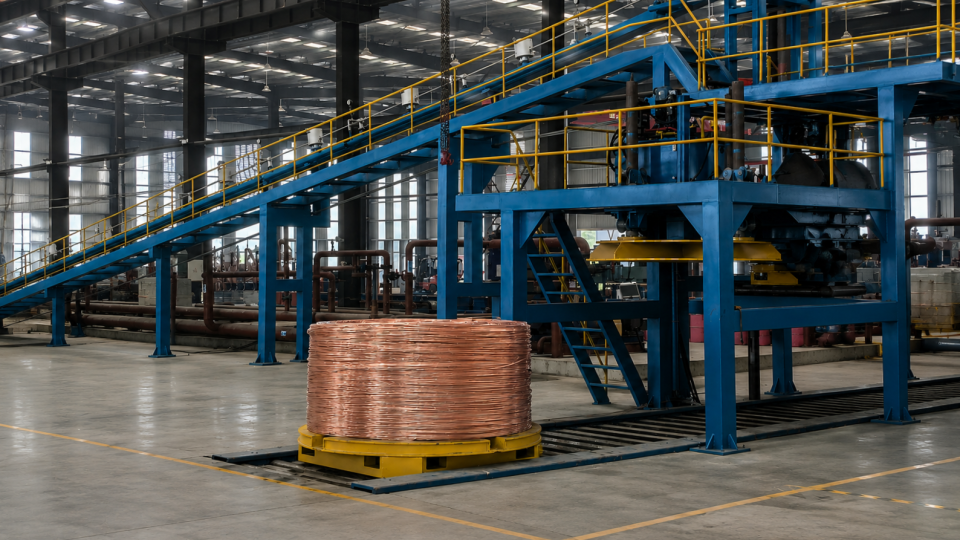
Find the production route for your material and finished product. Compare copper rod and wire, aluminum rod, ingot and strip, or lead ingot, strip and anode plate production, then explore the equipment used in each route.
Choose a Route by Material and Finished Product
Copper: New Rod, Existing Rod or Finished Wire
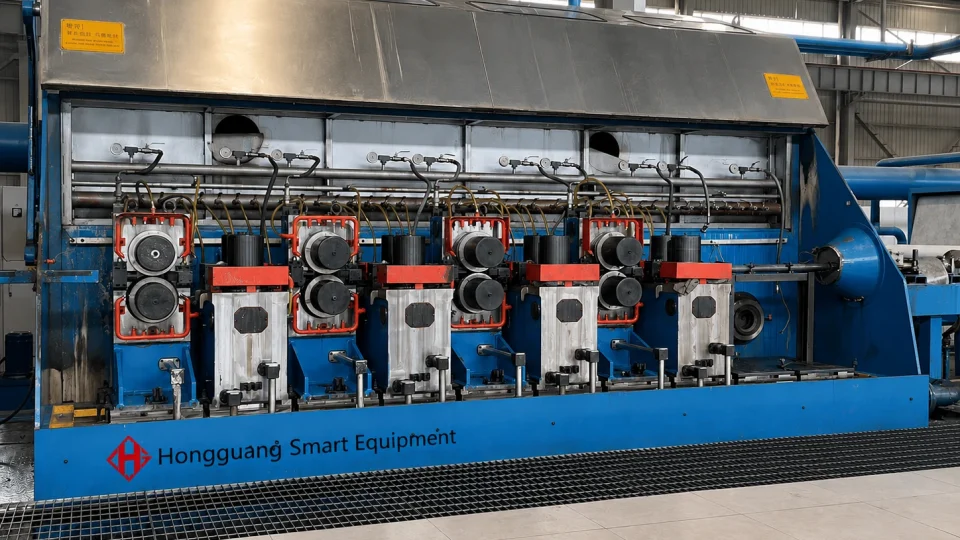
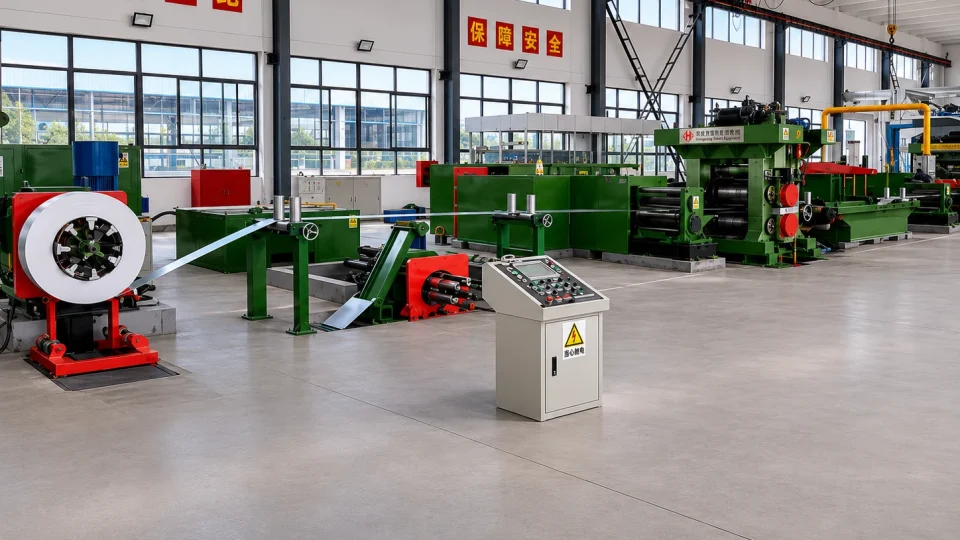
For new rod production, the first decision is feedstock: electrolytic copper and scrap-derived FRHC require different furnace systems. If upward-cast oxygen-free or alloy rod already exists, a cold rolling line can reduce it before drawing without adding a melting and casting section. Wire drawing is the final route when the target product is conductor wire rather than rod.
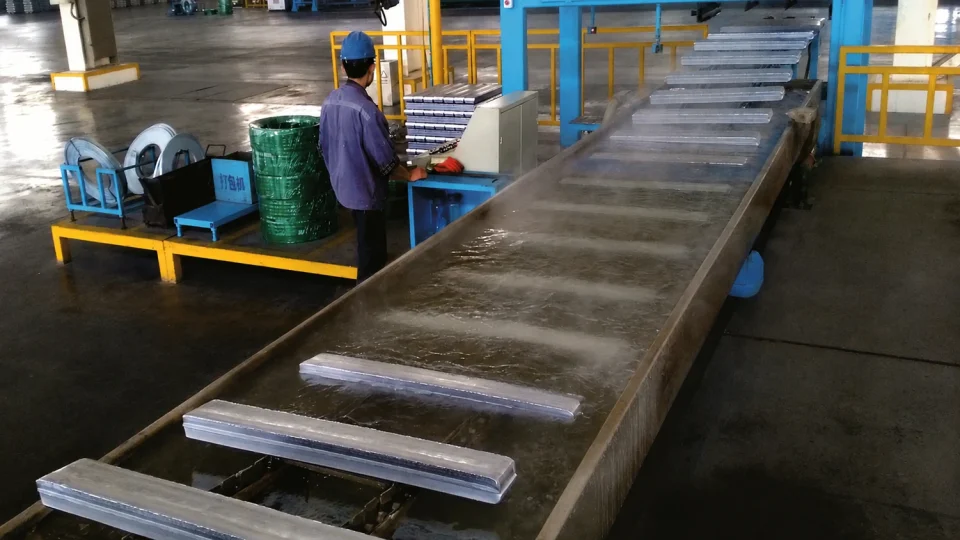
Aluminum route selection begins with the final product. Conductive rod requires controlled melt treatment, casting and rolling; drawn wire adds a separate reduction and take-up stage. Remelt ingot uses automated casting, cooling and stacking, while strip and plate lines require continuous casting, rolling and coiling. Alloy series and melt condition remain central in every case.
Lead ingot lines focus on casting, cooling, demolding and stacking. Strip lines add continuous rolling and collection for battery or industrial material. Anode plate production adds controlled punching to the casting and rolling route. Alloy composition, finished geometry and ventilation or fume collection must be defined with the process.
Start with the material you will process and the product you want to make. You do not need a complete specification to contact us. As the project develops, we work through the following details with you to define the line and supply scope.
Material: feedstock form, alloy or composition, melt condition and expected variation. Finished product: dimensions, tolerances, surface requirements, package and downstream use. Production duty: hourly or annual output, operating schedule and required flexibility. Process boundary: which stages are included, from melting and treatment to collection or packing. Plant conditions: layout, foundations, utilities, environmental controls and material flow. Project basis: destination standards, documentation, delivery responsibilities and schedule.
If you are already preparing a detailed equipment enquiry, our RFQ Checklist can help organize the project information.