
Lead Anode Plate Casting Rolling Punching Line
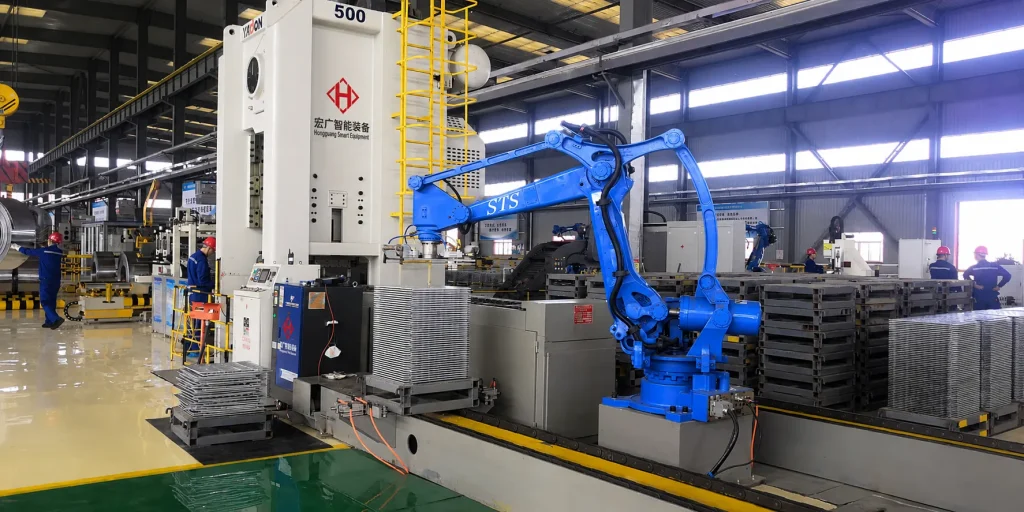
Our lead anode plate line combines alloy melting, continuous casting, rolling and punching for electrolytic manganese and related metallurgical applications. The rolling, punching and handling equipment is configured for the required alloy, plate geometry and hole pattern.
Key Features
• Casting, rolling and punching operate as one connected production route.
• Rolling arrangement is selected from plate thickness, width and alloy behavior.
• Punching layout can be adjusted to the approved plate drawing and hole pattern.
• Plate handling and collection are configured for the finished geometry.
• Ventilation and fume collection are defined with the melting and casting areas.
Equipment Composition
The production line is mainly composed of:
• Lead-alloy melting furnace and alloy-smelting device
• Holding furnace
• Continuous casting machine
• Traction and front-shear sections
• Continuous rolling mill and lubrication system
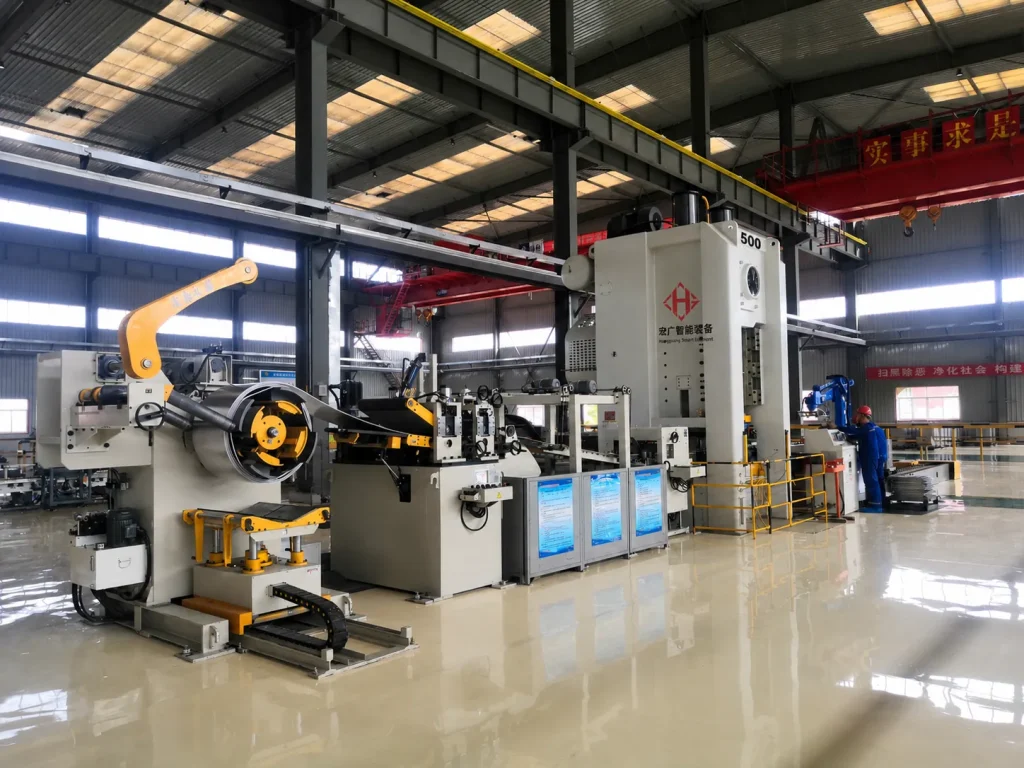
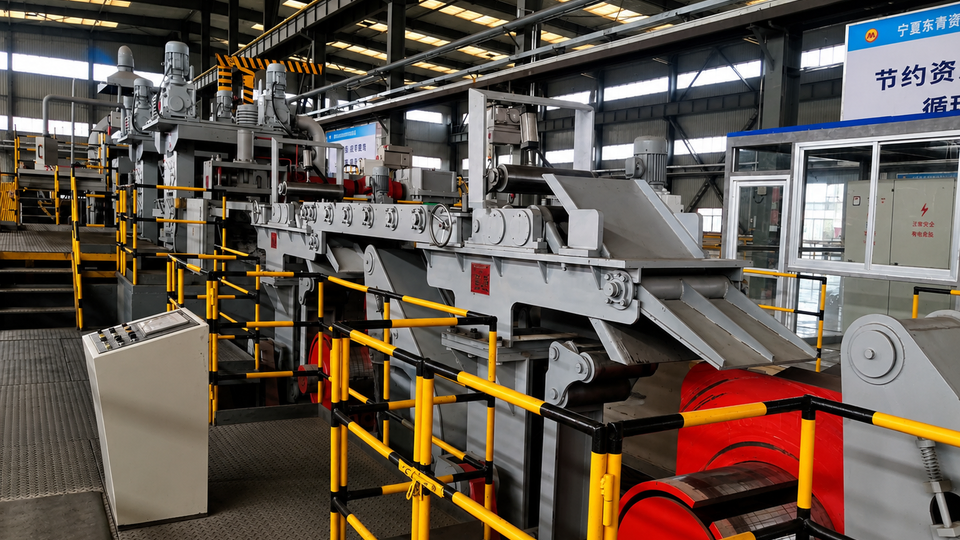
• Rear shear and adjustable punching system
• Cooling and finished-plate collection equipment
• Hydraulic and electrical control systems
Technical Parameters
| Product Thickness (mm) | Product Width (mm) | Punching Speed | Production Capacity (t/h) | Total Power (kW) |
|---|---|---|---|---|
| 3–8 | 300–800 | Adjustable | 2–4 | 450 |
| 5–10 | 500–1000 | Adjustable | 3–6 | 650 |
What Determines Plate Quality and Output
This route produces anode plates with a defined geometry and hole pattern. Alloy grade, the plate drawing and dimensional tolerances are reviewed together because they determine both the rolling and punching arrangements. Casting stability, rolling reduction and plate flatness must support the required punching accuracy.
The listed range is a starting point for selection. Practical output also depends on the approved hole pattern and handling cycle, so we assess the complete plate-making sequence against the finished-product requirements.
Suitable Melt
Lead-alloy melt prepared to the confirmed anode-plate chemistry. Industrial lead materials require review against the final alloy and electrochemical duty.
Typical Applications
Lead-alloy anode plates for electrolytic manganese and related metallurgical processes with a defined plate drawing and hole pattern.
Planning an Anode Plate Production Line
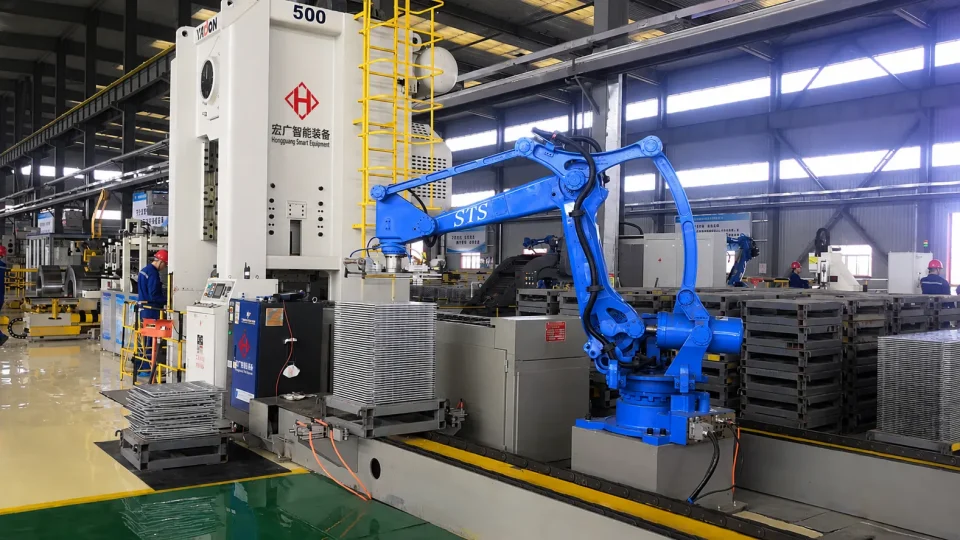
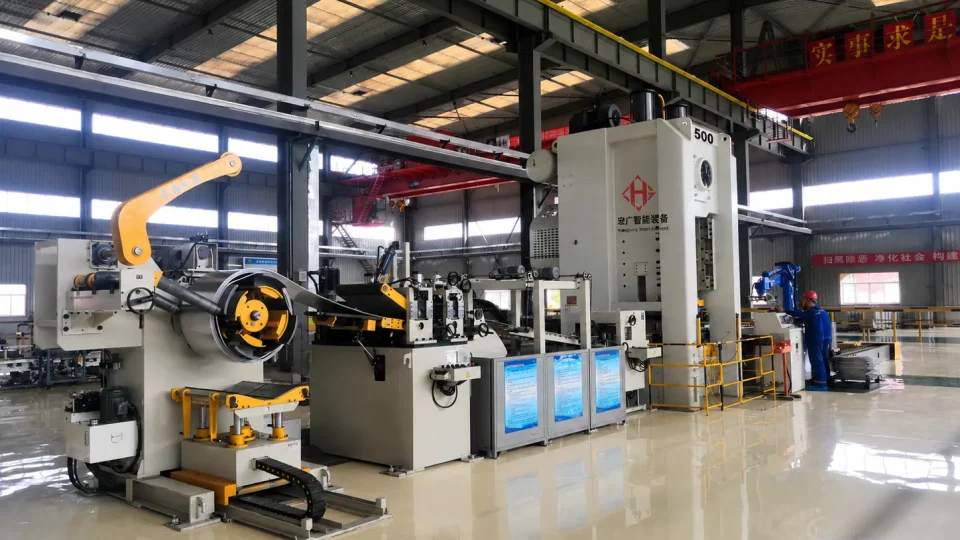
Tell us the anode plates you plan to produce and their intended use. An initial description is enough to begin the discussion. Before finalizing the equipment, we confirm alloy composition, plate thickness and width, tolerances, hole pattern and output against an approved drawing. Collection, layout, utilities, ventilation and fume control are reviewed with your team as part of the project scope.
From Plate Drawing to Technical Proposal
In our proposal, we define melting, casting, rolling, punching, handling, controls and environmental interfaces. We confirm final capacity and plate quality against the approved alloy and drawing.
Compare lead ingot, strip and anode routes in the Lead Processing Lines guide.
Learn about our manufacturing and project support, or browse our latest Projects & Insights.