Lead Ingot, Strip and Anode Plate Processing Lines
Lead ingot, strip and anode plate production require different downstream stages after melt preparation. Ingot lines cast and handle discrete products. Strip lines add continuous rolling and collection. Anode plate lines add punching to produce the specified plate geometry.
Lead or alloy composition, environmental controls and finished-product handling should be defined at the same time as capacity.
Choose the Lead Route from the Required Product
Automated Lead Ingot Casting
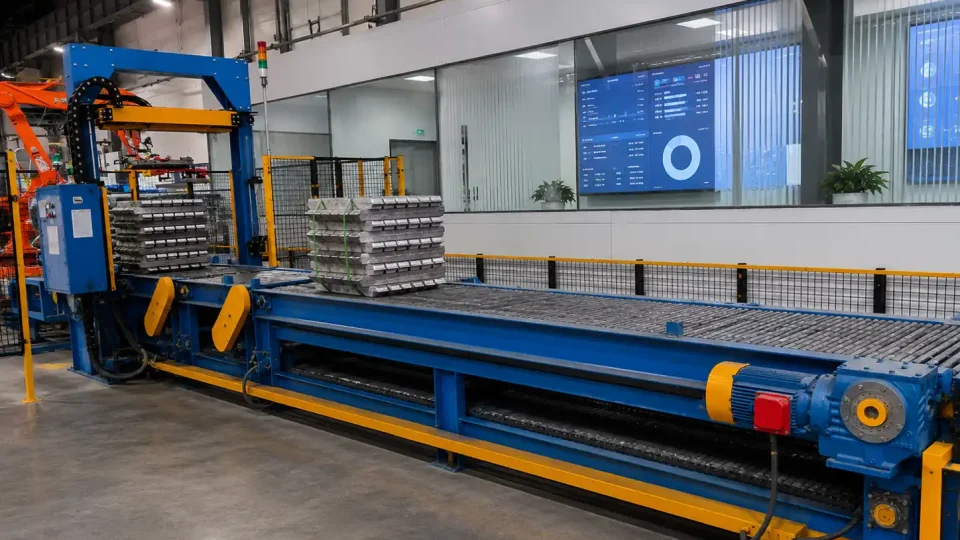
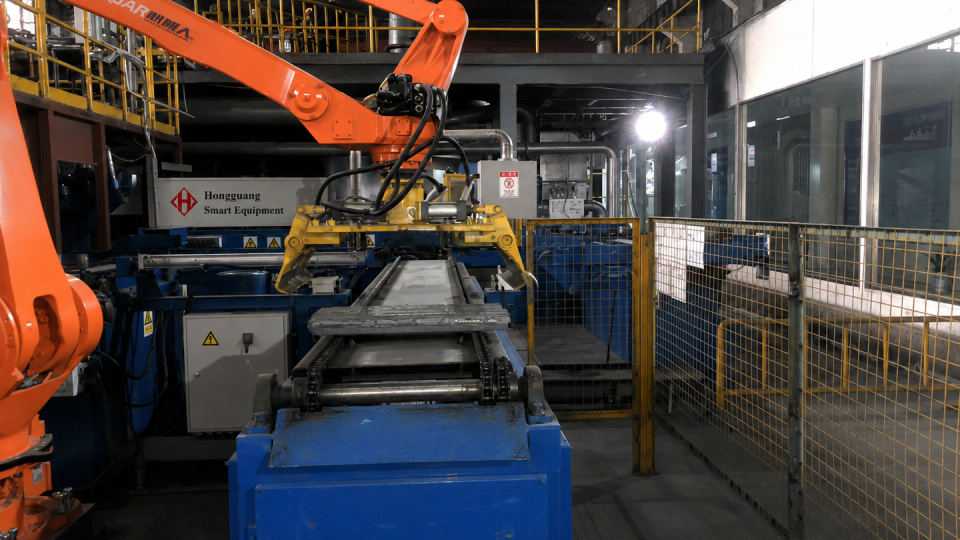
The ZQ route distributes molten lead into molds, controls cooling, demolds the ingots and transfers them for collection or stacking. It replaces repeated manual mold handling with a coordinated process. Ingot drawing, weight, alloy composition and cooling method determine the molds and handling equipment.
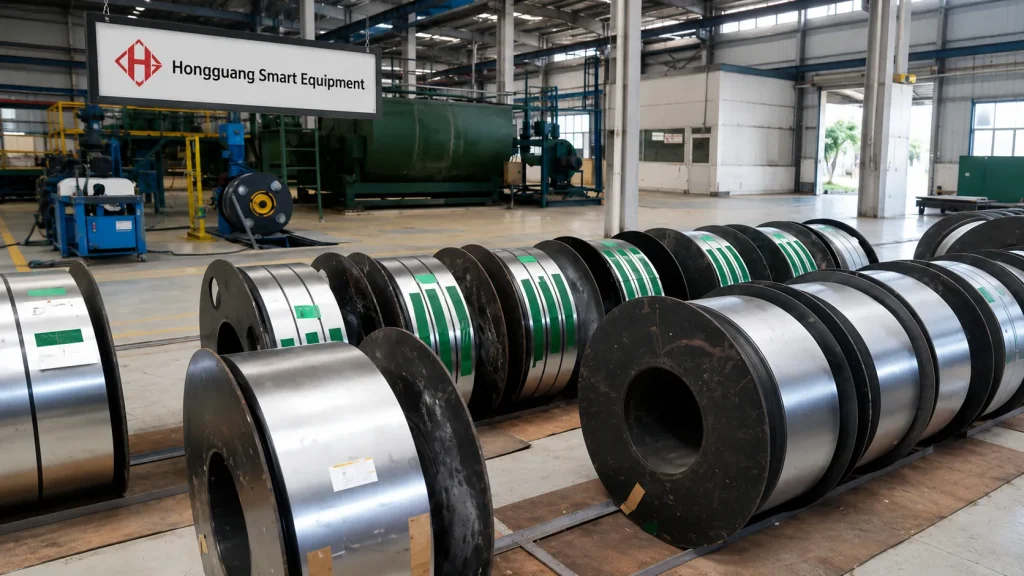
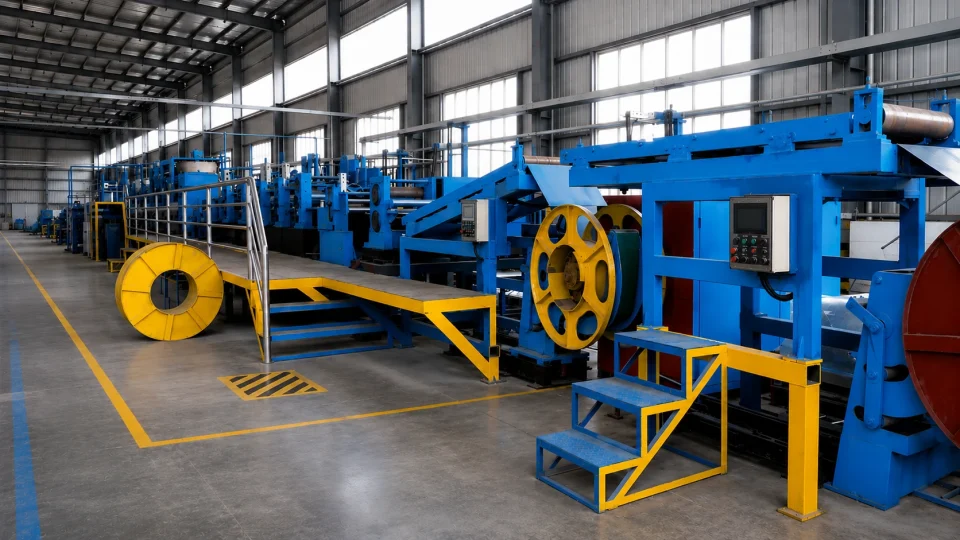
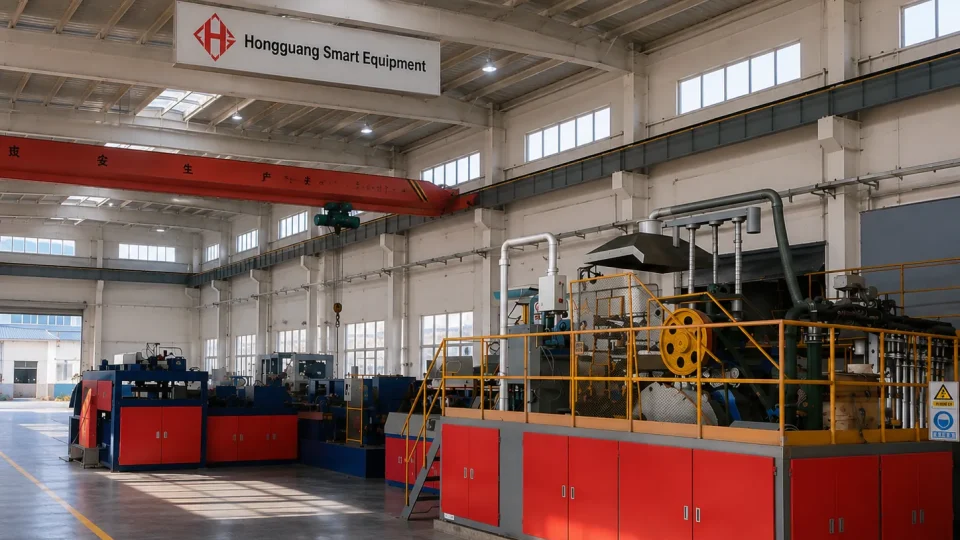
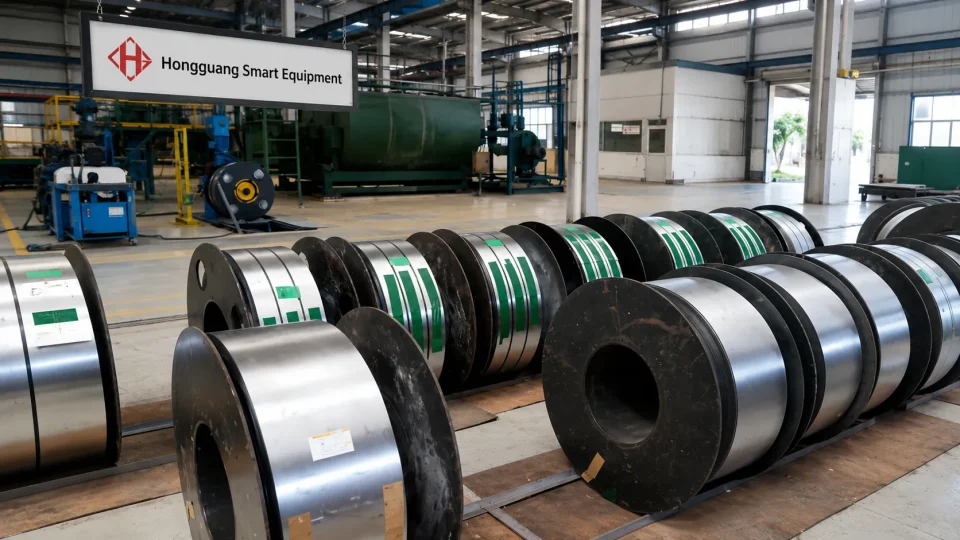
The LZ+Q route produces coiled lead or lead-alloy strip through melting, continuous casting, rolling, cooling and collection. Battery plate and other downstream uses set the alloy, strip dimensions, surface requirement and coil format. Ventilation and fume collection are part of the site basis, not optional afterthoughts.
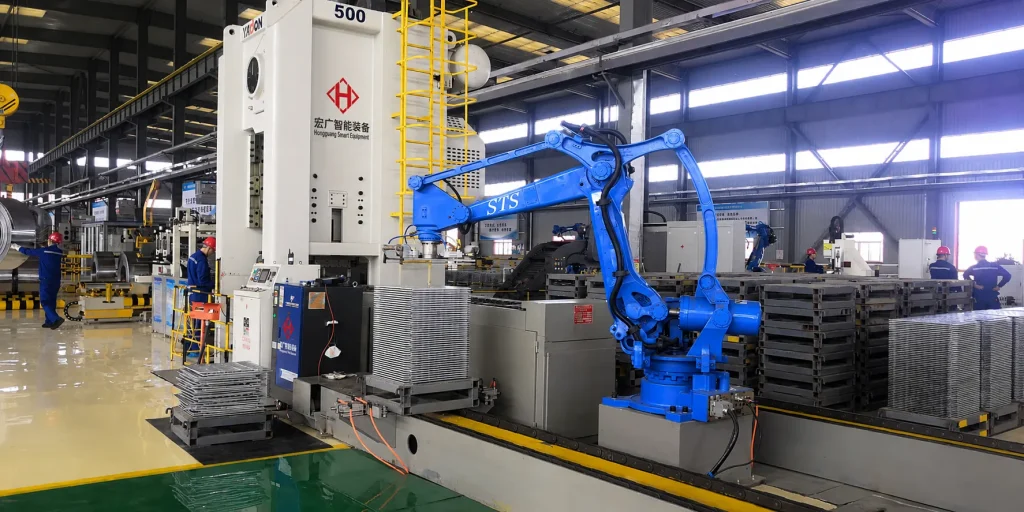
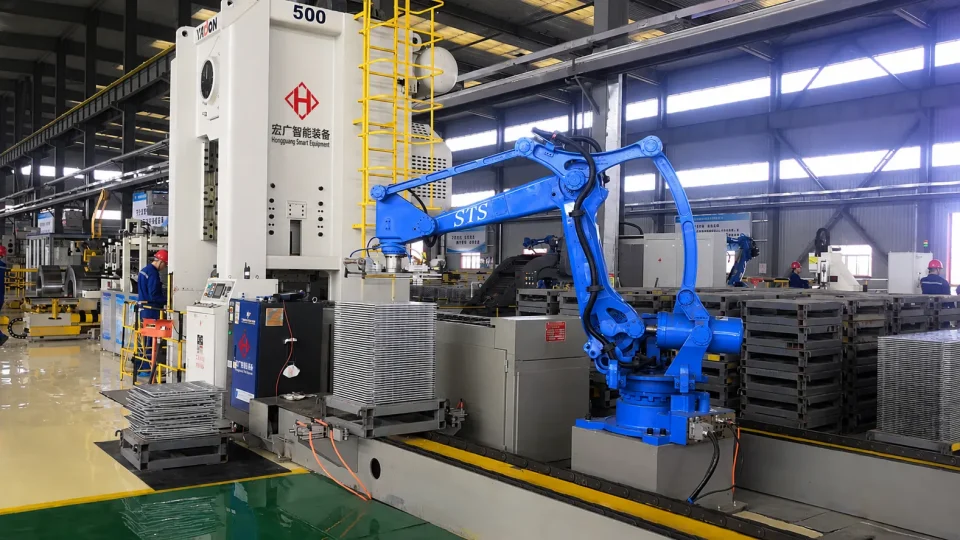
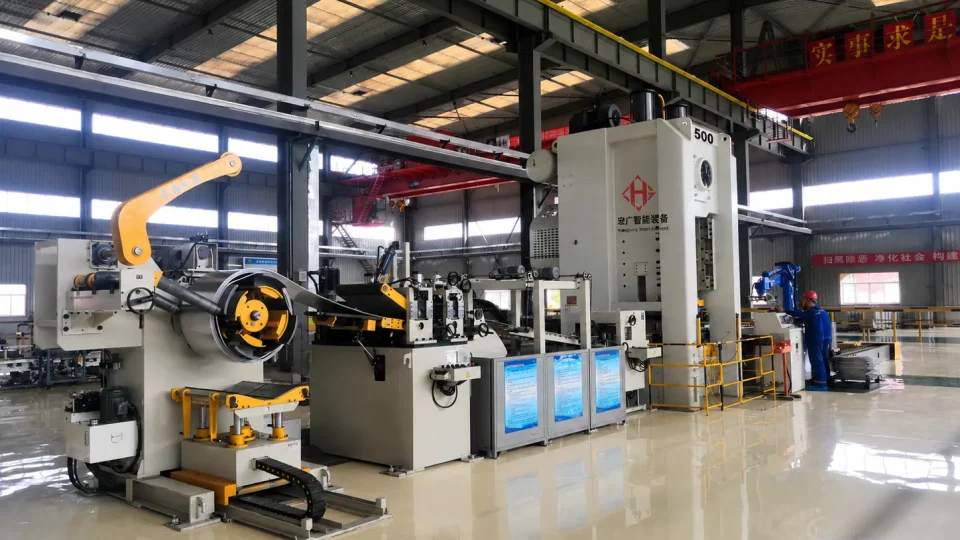
Anode plate production adds controlled punching to the continuous casting and rolling route. The alloy grade, finished drawing, hole pattern and tolerances must therefore be confirmed together. This route is intended for electrolytic manganese and related metallurgical applications where plate geometry is part of the process duty.
Tell us whether you need ingots, strip or anode plates, and where the line will be installed. We can discuss the production route and review the material, handling and environmental requirements with your team.
Before final configuration, we confirm the lead or alloy composition, melt condition, product specification and output. Collection, coiling, stacking or punching is reviewed alongside the layout, utilities, ventilation, fume collection and local safety requirements. These details define the equipment scope and each party’s responsibilities. The RFQ Checklist can help organize them when you are ready for a detailed proposal.