Aluminum equipment is selected first by finished product: conductive rod and wire, cast ingot, or coiled strip. These routes share melt handling, but the casting method and downstream equipment differ substantially.
Alloy series, melt cleanliness, finished dimensions and the next manufacturing step determine the route. Output is considered after those requirements are clear.
Choose the Aluminum Route from the Finished Product
Conductive Rod and Drawn Wire
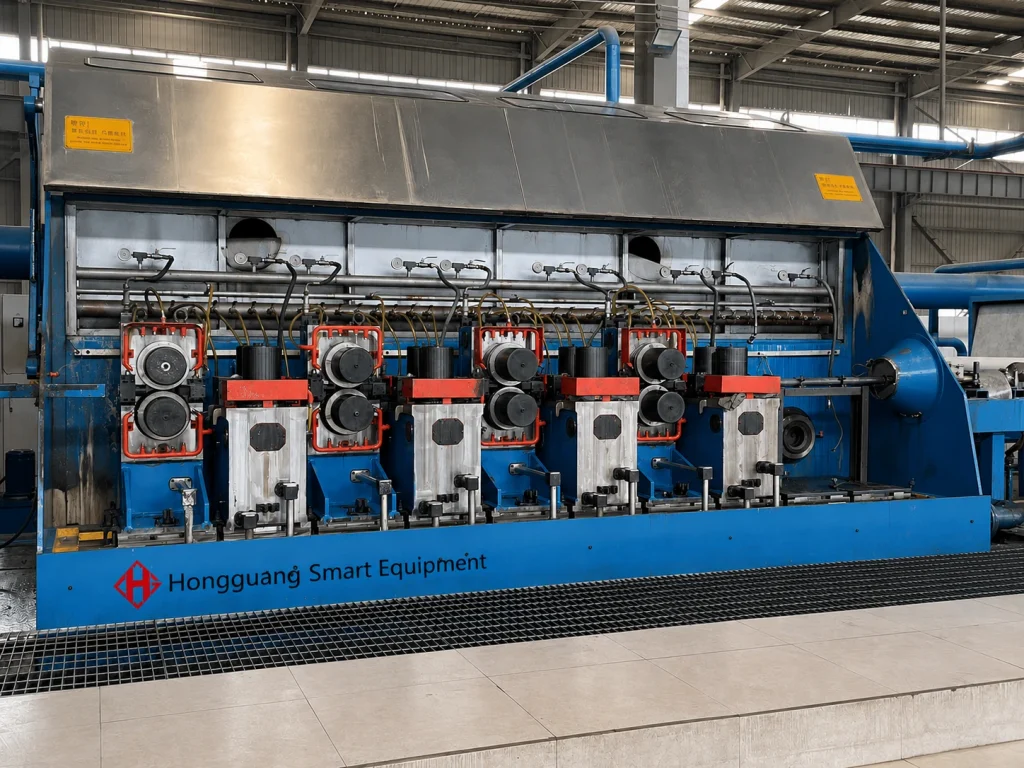
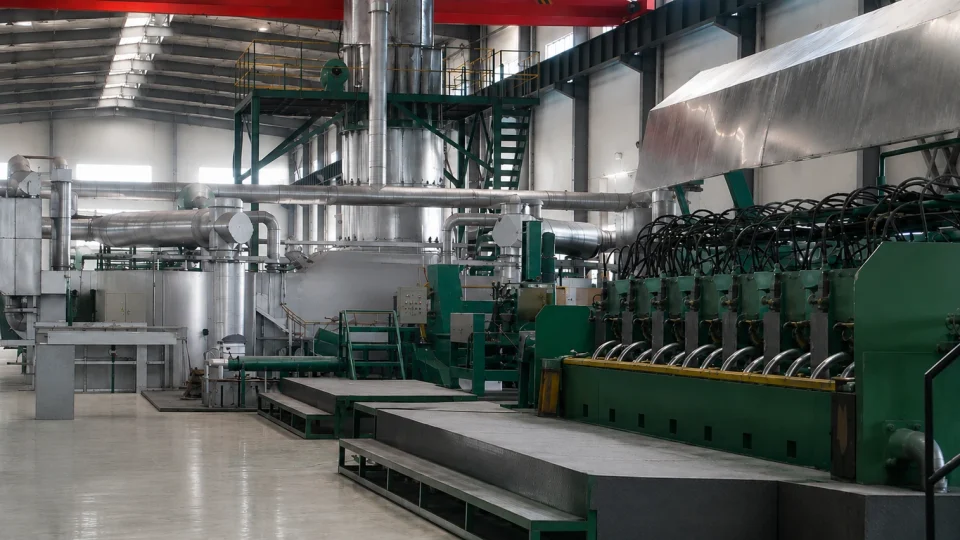
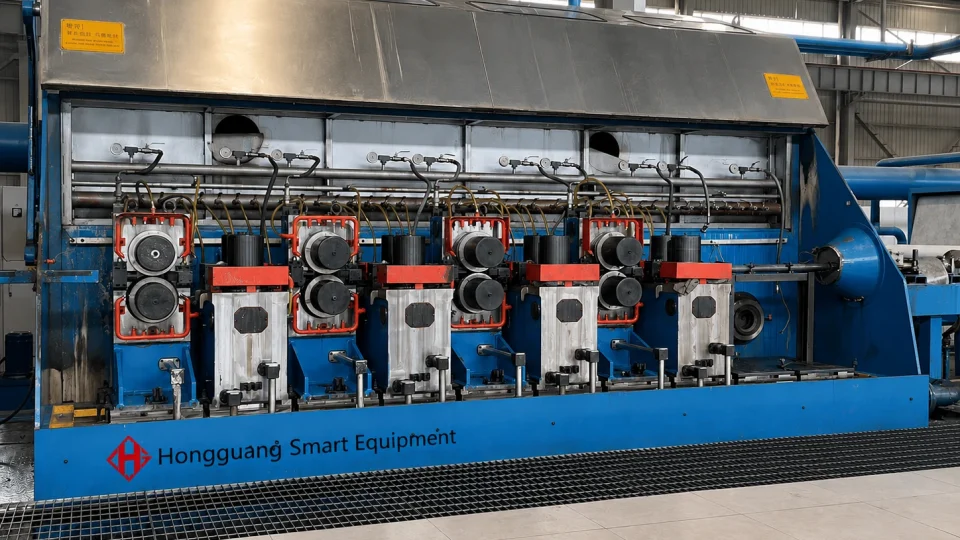
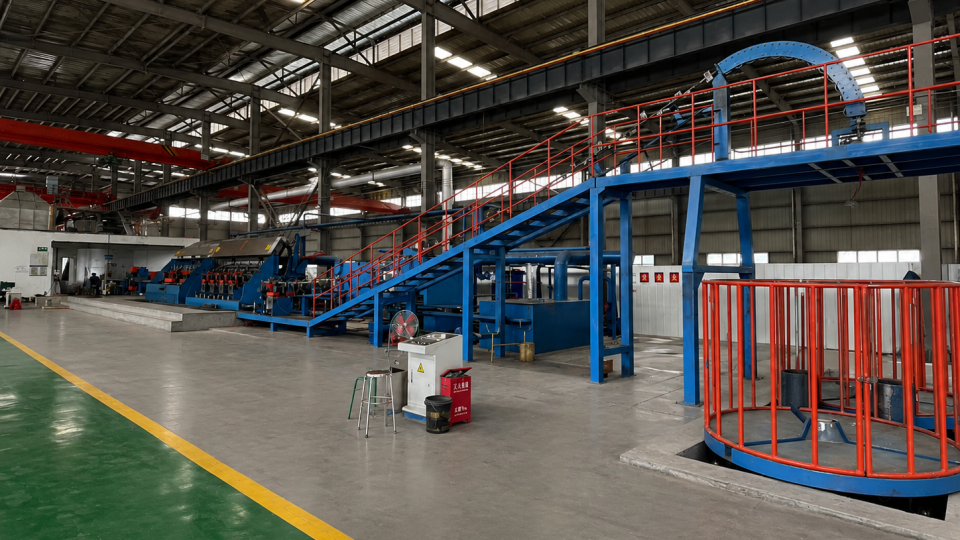
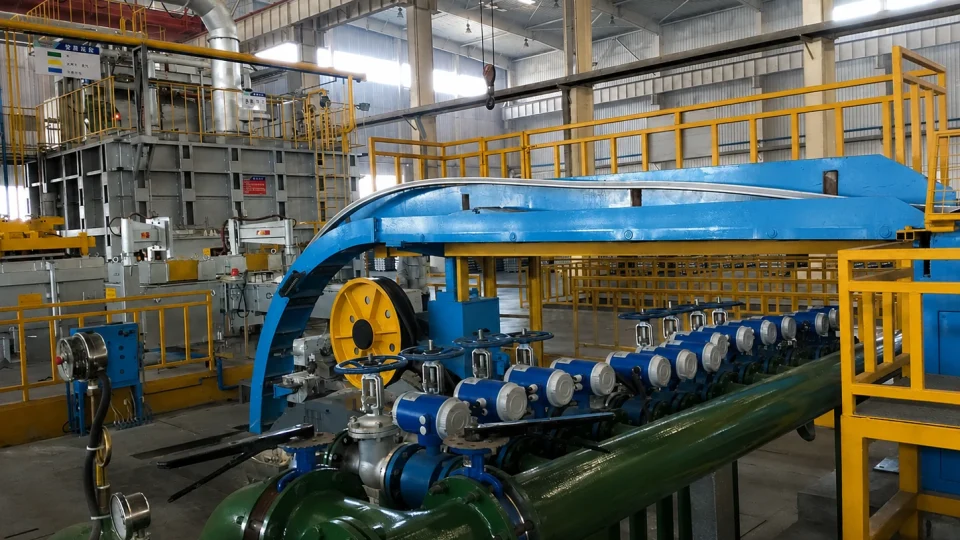
Rod production combines melting, degassing and filtration, continuous casting, heating, rolling, cooling and collection. The treatment and rolling arrangement changes with pure aluminum and the relevant alloy series. If the required product is wire, a separate drawing line is selected from the incoming rod, final diameter, reduction schedule and package.
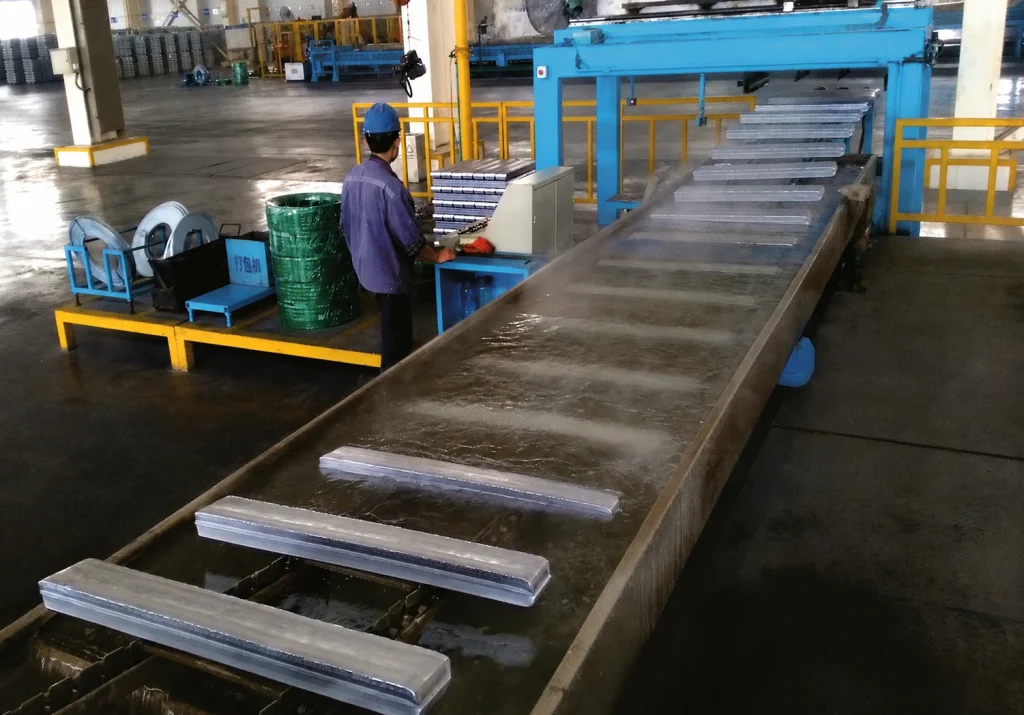
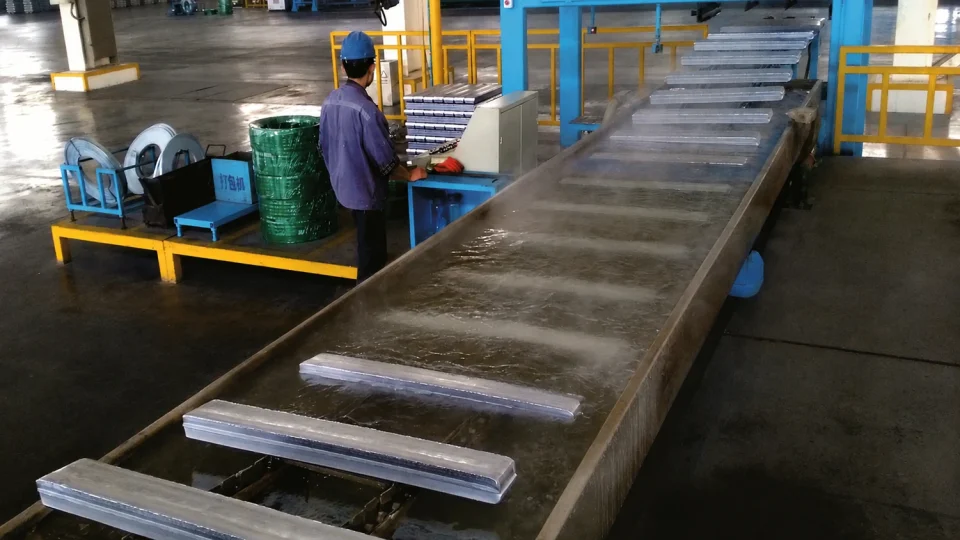
An ingot line does not require a rolling section. Its job is to meter molten aluminum into molds, control cooling, release the ingots and transfer them for collection or stacking. Ingot geometry, target weight, mold quantity and cooling conditions set the mechanical arrangement.
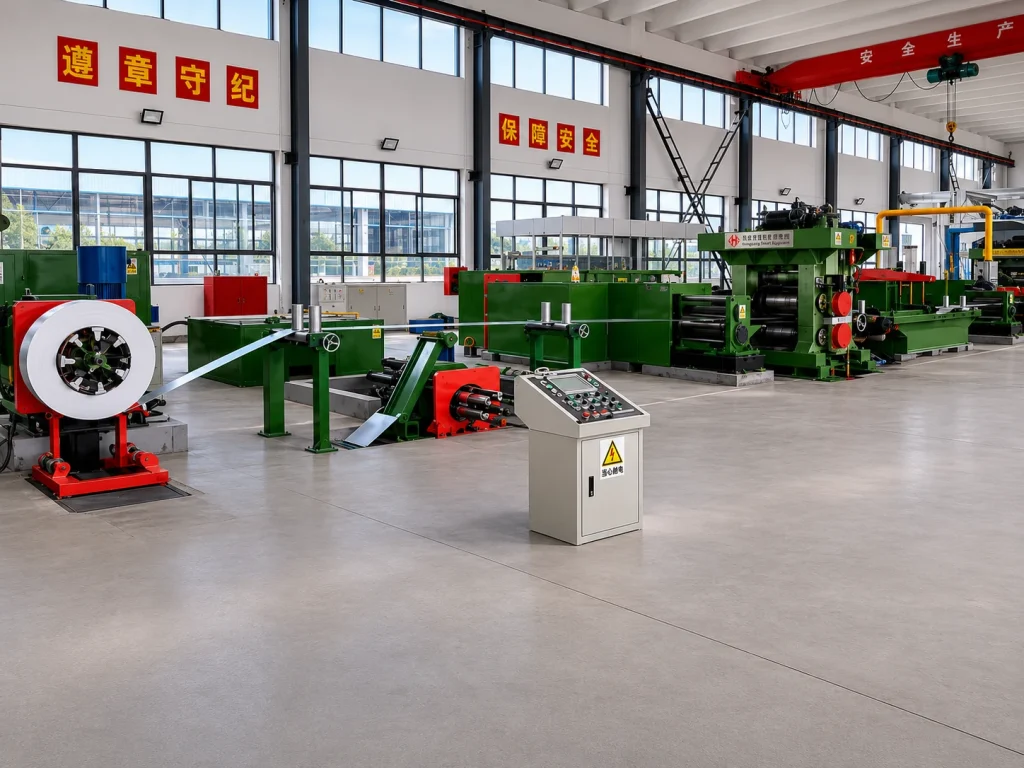
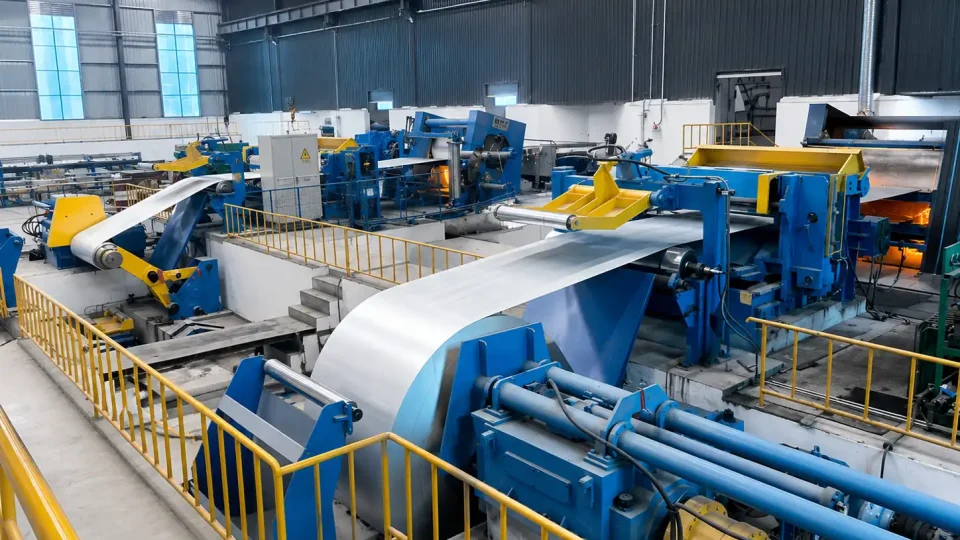
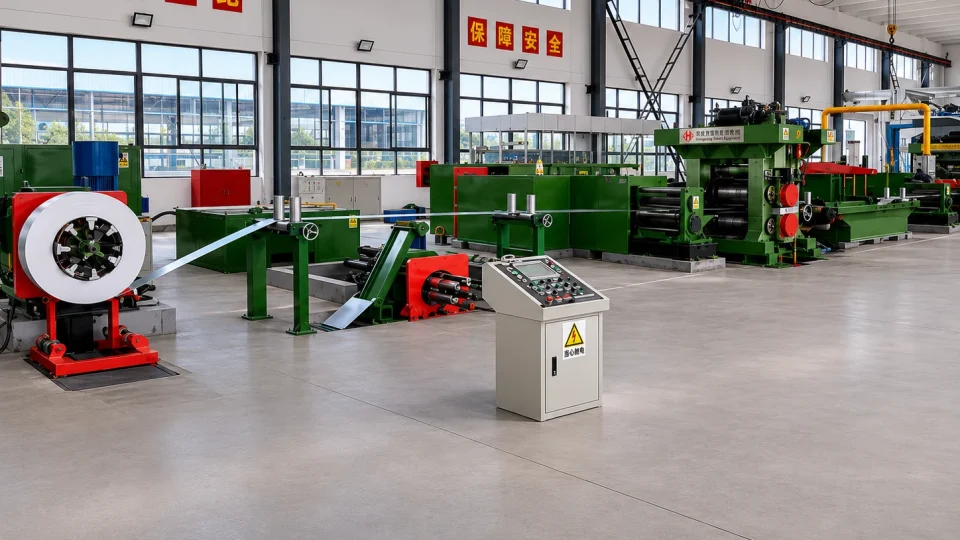
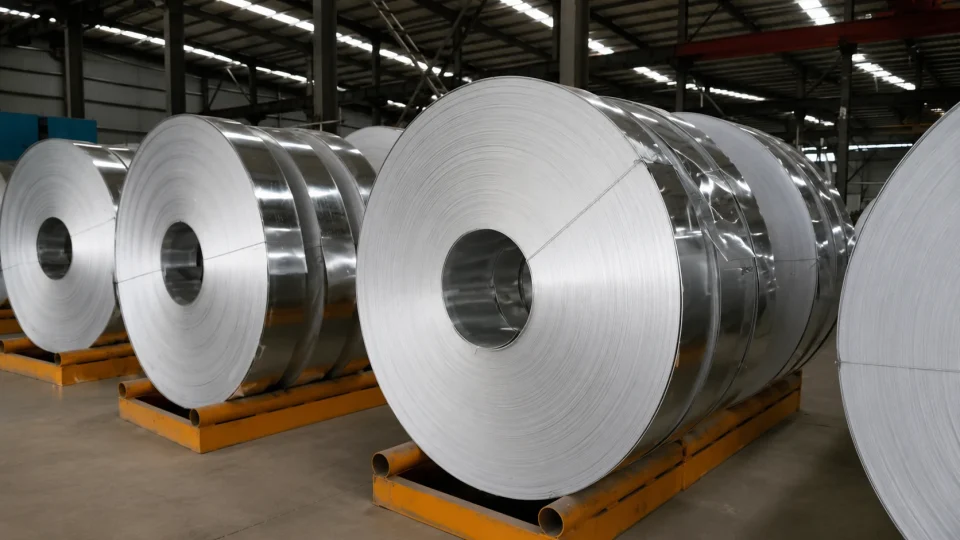
Belt-type and double-belt lines both produce coiled aluminum strip, but the casting sections serve different width and output ranges. The double-belt route is considered for wider or higher-capacity duties; the final choice also depends on alloy, thickness, surface requirement, edge condition and downstream application.
Tell us whether you plan to make rod, wire, ingot or strip, and share the alloy and output if you know them. We can help you compare the equipment routes and identify what needs to be confirmed.
During the technical review, we confirm the alloy, melt condition and finished-product specification. Rod and strip projects also require review of degassing, filtration, surface and coiling; drawing projects require the feed rod, reduction schedule and package. Utilities, layout and destination standards are agreed as the proposal develops. Our RFQ Checklist is available when you are ready to organize these details.