Engineering Brief
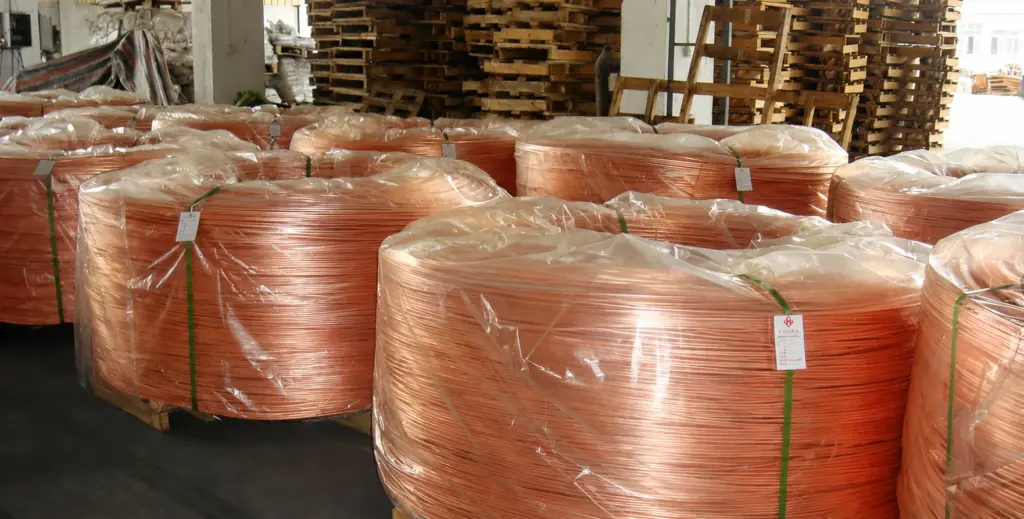
Finished product: 8 mm copper rod
Key inputs: Feedstock, product standard, output and plant conditions
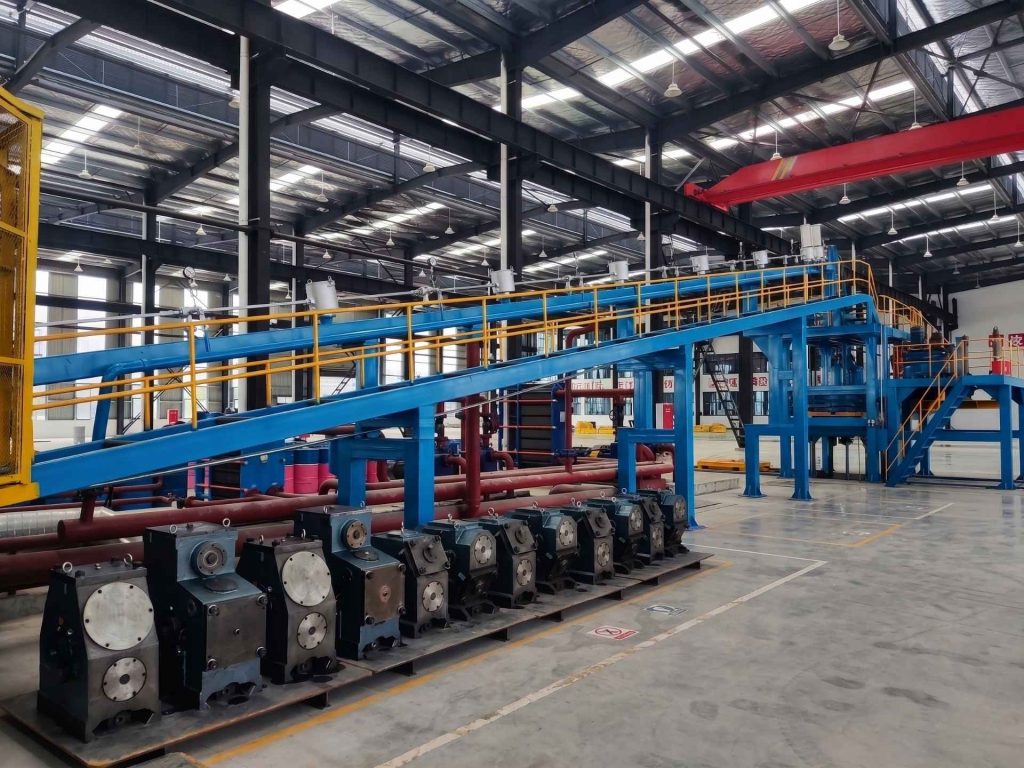
Line sections: Melting, casting, rolling, cooling and collection
Project objective: A coordinated production route, not an isolated machine selection
“8 mm copper rod line” describes the finished diameter, but it does not define the equipment needed to produce it. Two plants making the same nominal rod may require different furnace systems, cast sections, rolling arrangements and collection equipment because their feedstock, output, utilities and downstream use are different. A reliable specification begins by defining those conditions before selecting a standard model.
Start with the material and finished-product requirement
The first decision is the feedstock route. Electrolytic copper, fire-refined copper and prepared scrap do not place the same demands on melting, refining and metal delivery. The required chemical composition and electrical or mechanical properties of the rod should therefore be stated alongside the diameter. This information influences the furnace arrangement, process controls and the checks required during production.
The cast section and rolling schedule must then be considered together. A larger cast bar requires a suitable reduction path, drive capacity and temperature window; a smaller section changes the balance between casting speed and rolling duty. Roughing and finishing stands, inter-stand guidance and speed coordination are selected as a system so that material passes through the line in a controlled sequence.
Define the plant interfaces before fixing the model
Target output should be expressed as an hourly range and an expected annual production programme. These figures affect furnace capacity, casting speed, rolling power, cooling and coil handling. They also need to be checked against available electrical supply, fuel, cooling water, compressed air, environmental controls and the space available for foundations, access and maintenance.
Automation should support the way the plant will actually be operated. The control system needs clear start-up and shutdown sequences, visible interlocks and coordinated line-speed control, while allowing trained operators to make the adjustments required for material and production changes. Component selection, diagnostic information and access to wear parts should also be reviewed with long-term maintenance in mind.
A useful request for quotation therefore includes more than a desired machine and capacity. Send the feedstock specification, finished-rod standard, output, coil or collection format, plant drawing, utilities and destination requirements. With these inputs, our engineers can compare complete process routes, identify open interfaces and prepare a proposal that reflects the intended production conditions.
Preparing an 8 mm Rod-Line RFQ
Tell us what you want to produce and where the equipment will be installed. Share the details you already have; our team can help clarify the remaining requirements.
These inputs allow the furnace, casting and rolling sections to be evaluated as one production system.
Ready to define the line concept? Send us your engineering inputs.